


Recovery updates
Sign up with your ZIP code and one recovery area. StudyChirp emails you now and then about research near you; texts only if you ask.
Sign upSix recovery areas
Shoulders, knees, concussion, new joints, pain after an operation and wounds that are slow to close. Each page explains what research there looks at.
See the areasTalk to StudyChirp
- Monday to Friday 9am - 5pm EST
- Phone (719) 701-8266
- Email research@studychirp.com
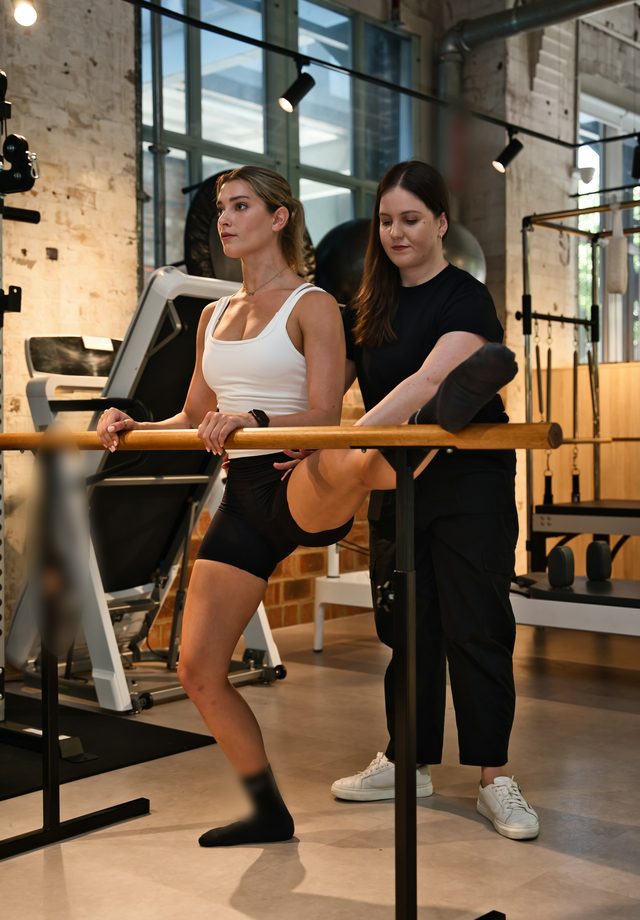

Welcome to StudyChirp
Recovery research in plain language, with updates about studies near you
The weeks after an injury or an operation are full of questions. StudyChirp explains what clinical research on recovery looks at, area by area, so you can decide whether a study in your area is worth a phone call.
- StudyChirp writes about six kinds of recovery: shoulders, knees, concussion, new joints, pain after surgery and slow-healing wounds.
- Notes arrive now and then by email about research around the ZIP code on your form; texts too, if you switch them on.
- You contact a study team yourself. StudyChirp runs no studies and passes your details to nobody.
Questions about recovery research? Call (719) 701-8266
How StudyChirp updates work
Close to where you heal
Each note is about recovery research a reasonable trip from the ZIP code on your form.
Sent by StudyChirp
Every email and every text comes straight from StudyChirp.
You decide
StudyChirp hands nothing to a study. Whether you call a team is up to you.
Easy to end
Reply STOP to a text, or ask by phone or email, and the updates end.
Six ways back from an injury or an operation
Healing a torn tendon is not the same as healing a concussion or a wound on the foot. Each area page explains what recovery there is like, what research is testing and how a study checks progress, then what to ask a study team.
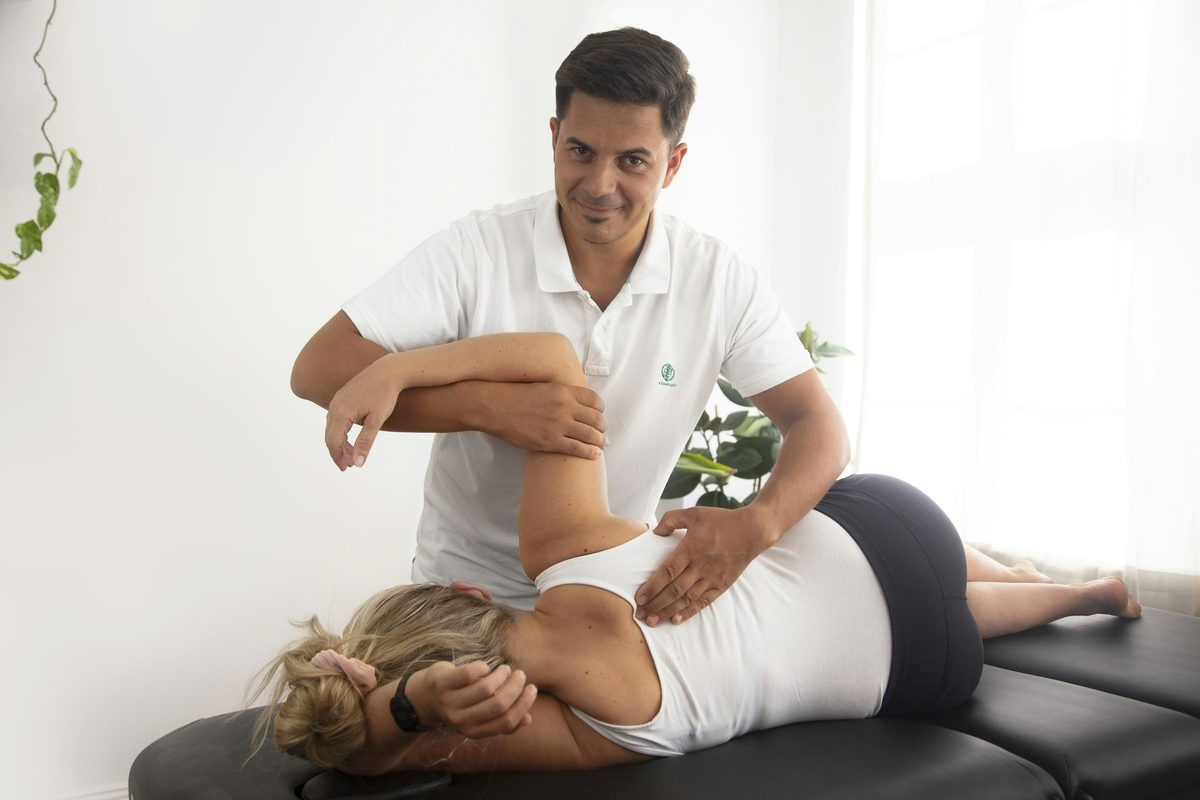
Rotator cuff injuries
A torn or worn shoulder tendon that makes reaching, lifting and sleeping on that side hard. Studies look at repair surgery, rehab programs and how the tendon heals.
Read about it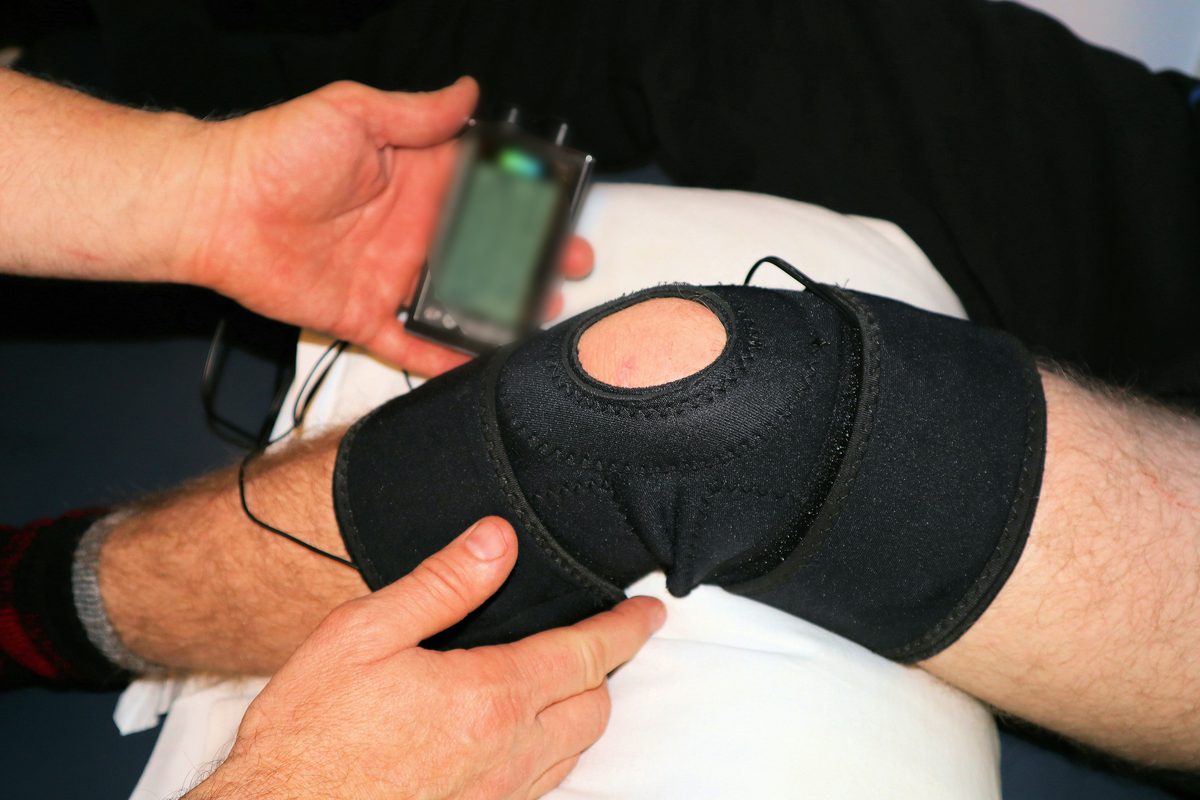
ACL and knee ligament injuries
A torn ligament that makes the knee give way on turns and landings. Studies look at reconstruction, rehab programs, bracing and the steps back to sport.
Read about it
Concussion
Headaches, dizziness and trouble focusing after a blow to the head. Studies look at rest and activity, vision and balance rehab, and the steps back to school, work and sport.
Read about it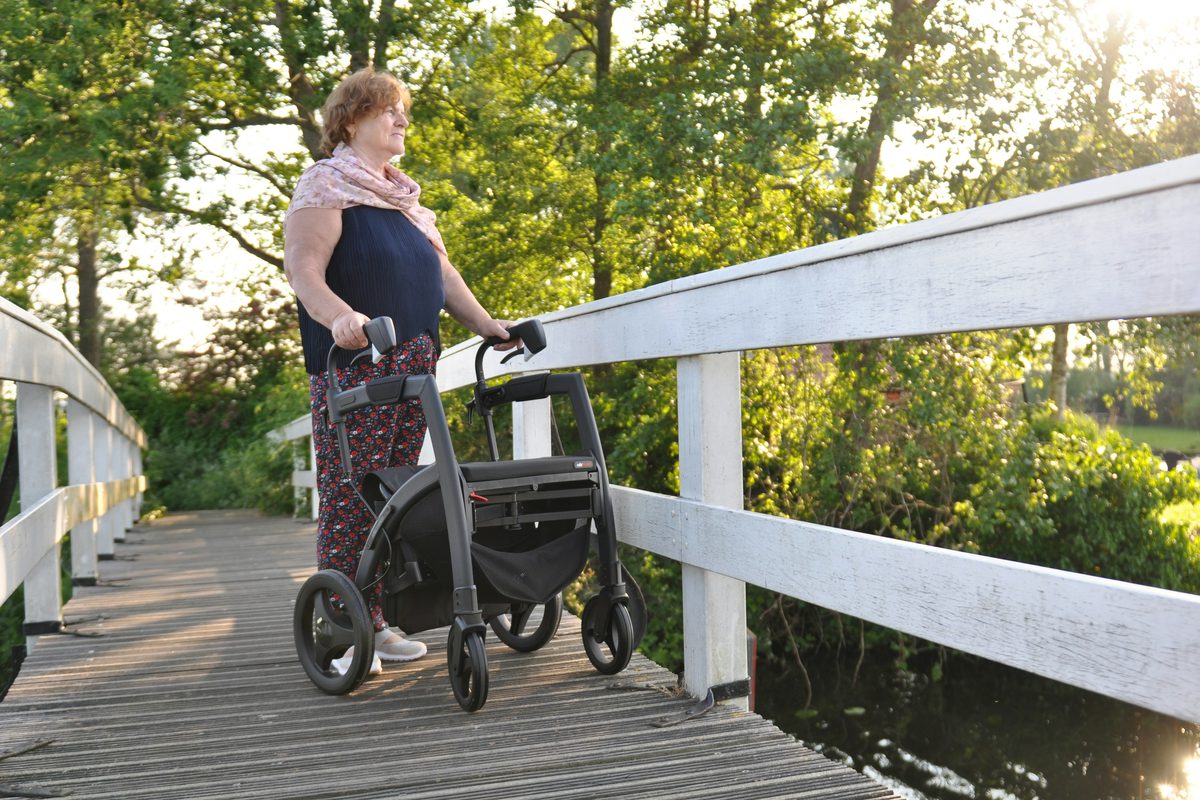
Joint replacement recovery
The weeks after a new hip or knee, from the first steps with a walker to stairs and longer walks. Studies look at rehab timing, pain control and getting home sooner.
Read about it
Pain after surgery
The pain that follows an operation, from the first night to the weeks after. Studies look at nerve blocks, medicine plans with fewer opioids and pain that lingers.
Read about it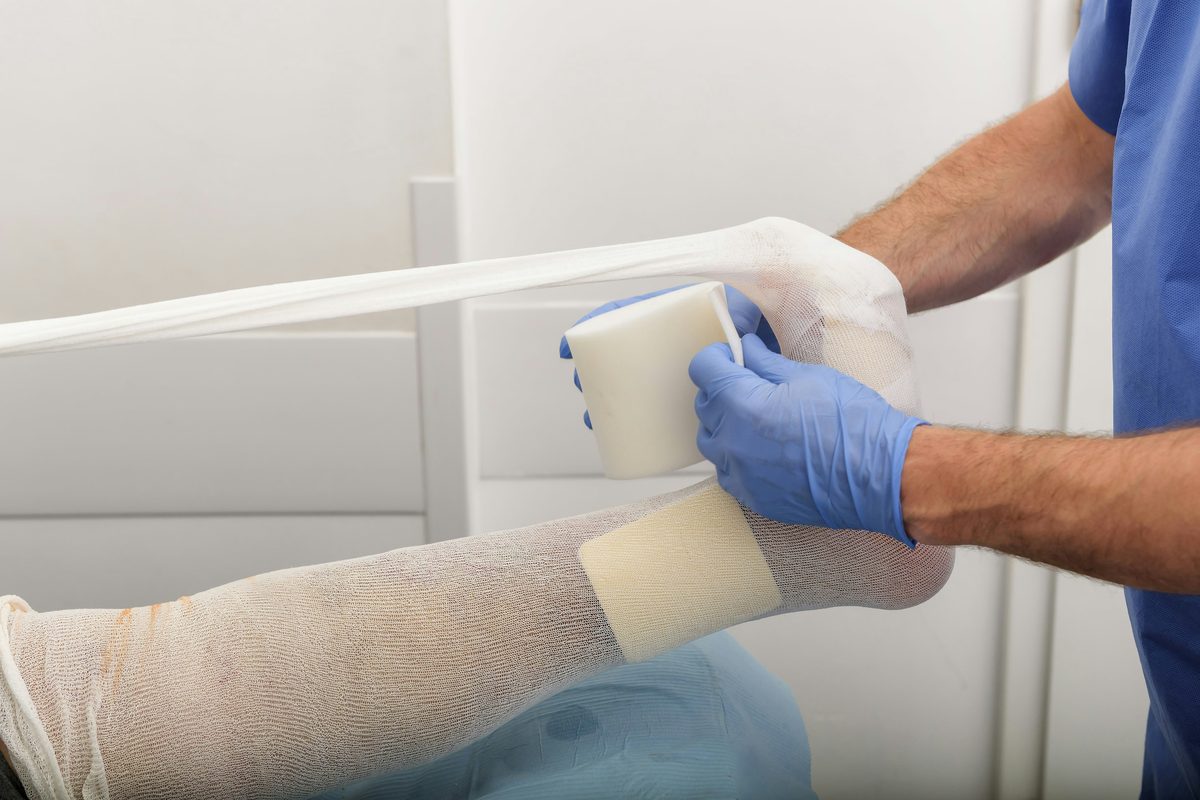
Slow-healing wounds
Wounds that stay open for weeks or months, often on the feet, lower legs or over bony areas. Studies look at dressings, offloading, compression and ways to restart healing.
Read about it
How StudyChirp works
Four steps, and the last one is yours
Nothing here signs you up for a study. StudyChirp explains and sends the odd note; phoning a study team is a choice only you make.
-
Start with the page for your injury or operation
Six pages cover shoulders, knees, concussion, new joints, pain after surgery and wounds, with the approaches being tested in each.
-
Tell StudyChirp where you live and what you are healing from
One short form: name, email, the five digits of your ZIP code and a single recovery area. A mobile number is an extra you can skip.
-
Watch your inbox for the odd note
Every so often an email arrives about recovery research around your ZIP code. Texts come as well only when you ticked that box.
-
Pick up the phone if something fits
Should a study sound right, ring the people running it yourself. That team explains what the study involves and makes the call on who joins.
Recovery guides
Six guides to what recovery studies ask of you
Some studies start before an operation. Some test the rehab exercises themselves. Others measure how you get back to work or sport. The guides explain each, without jargon.
Ahead of surgery
Some recovery research begins before the first incision
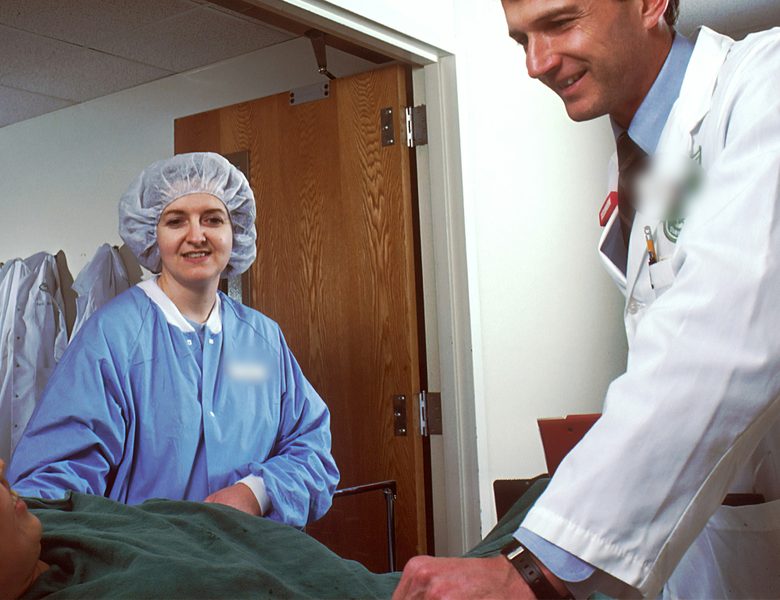
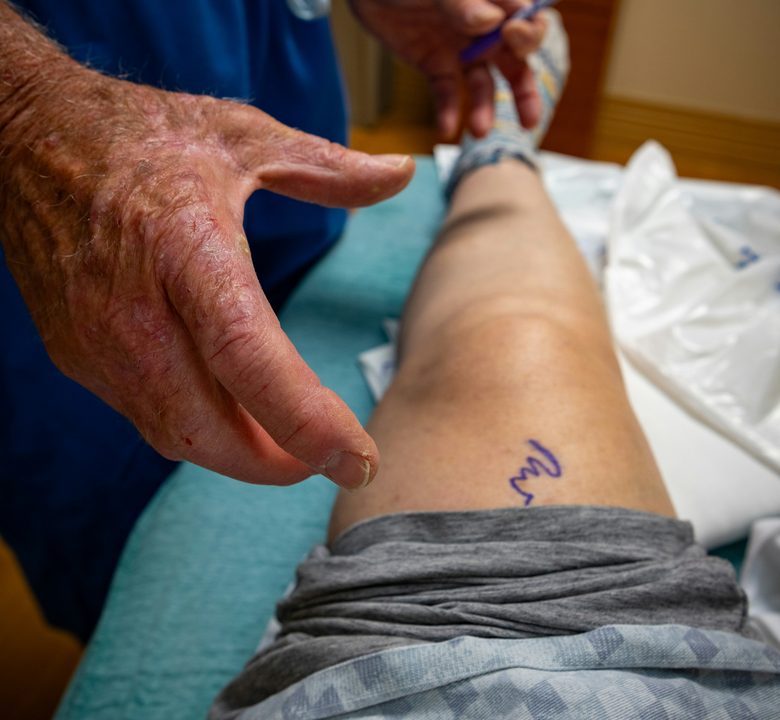
A few studies ask to meet people while an operation is still being planned, so they can record strength, movement and pain beforehand. That starting point makes later changes easier to read. If surgery is on your calendar, this is the stretch to read about.

The weeks of rehab
Rehab exercises, pain and sleep are research subjects too
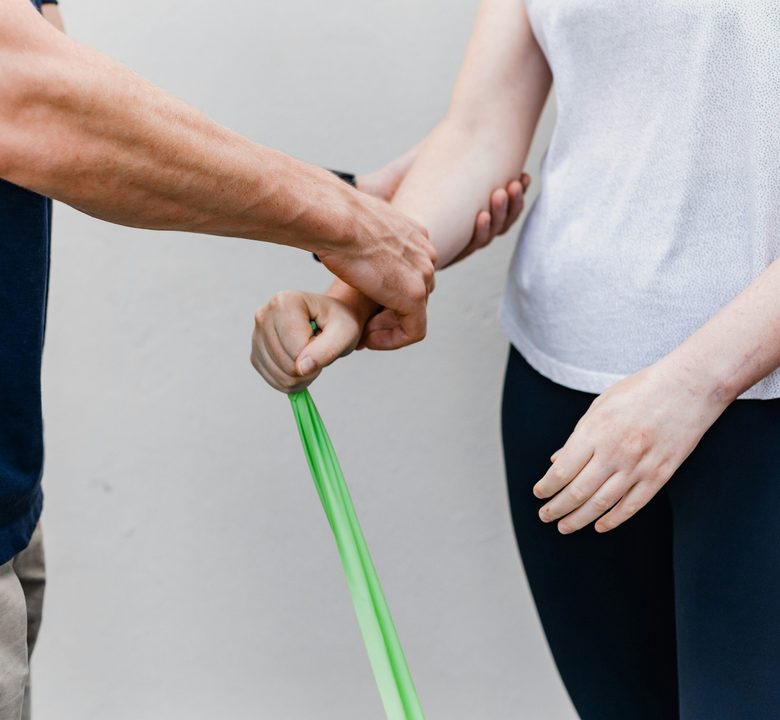
The weeks after an injury or an operation are full of exercises, appointments and broken nights. Research in this stretch looks at which rehab programs help, how pain is eased with fewer side effects and how wounds are helped to close.

Back to everyday life
Getting back to work, sport and stairs is measured as well
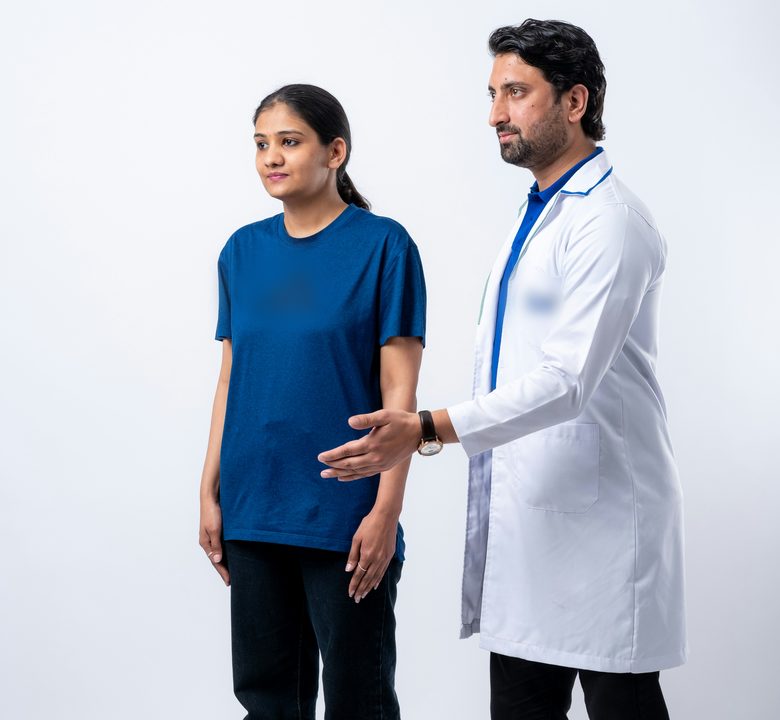
Recovery is not finished when the stitches come out. Studies ask how people return to work, driving, sport and the stairs at home, and what keeps an injury from returning once they do.
Six things to know before signing up
Six short answers about what StudyChirp is, what it sends and what it leaves to you. The full list of questions is on the questions and answers page.
What does StudyChirp do?
It explains recovery research in six areas, from rotator cuff injuries to slow-healing wounds, in plain language. Once you know what studies examine, getting in touch with a team near you is your own step to take.
Is StudyChirp connected to a study?
No. StudyChirp provides no care and plays no part in running, funding or recruiting for research. Each study team decides on its own who can take part in its study.
How does StudyChirp keep in touch?
By email, with occasional news about recovery research in your chosen area near your ZIP code. A text arrives only if you tick the optional box, and a STOP reply ends texts whenever you like.
Is it fine to adjust my rehab to fit a study?
No, not on your own. Talk with your own surgeon, doctor or physical therapist before changing anything about your rehab, medicines or wound care for a study.
Does StudyChirp charge for updates?
No. StudyChirp bills nobody for reading or for its notes. Your mobile plan may still bill message and data rates for texts.
Can I end the updates later?
Yes. Reply STOP to any text, use the unsubscribe line in an email, or call or write to StudyChirp and ask.
Get recovery research updates
Give your ZIP code and the recovery you care about, and StudyChirp will email you now and then about research close to home. Add a mobile number and tick the box if you want texts too.
Done: your sign-up is in
StudyChirp will email you now and then about recovery research near the ZIP code you gave, in the area you picked. With the text box ticked, the first message simply confirms your number. Reply STOP to any text to end them.
Read the recovery guides