Joint replacement recovery
A hip or knee replacement swaps a worn joint for an artificial one, and the real work starts the next day. You will find the kinds of rehab and pain plans researchers compare, and the walking and bending tests they rely on.
The recovery itself, day to day
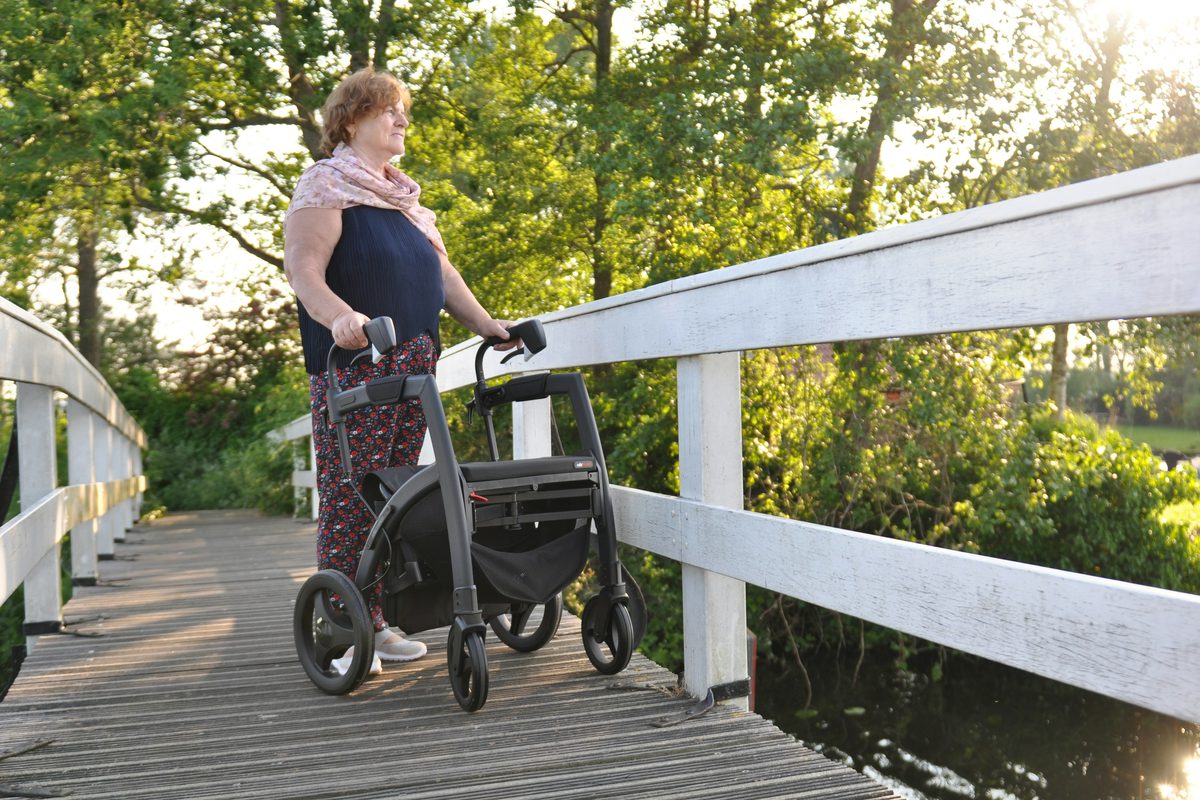
Many people are up and taking a few steps with a walker within a day of a hip or knee replacement. The first weeks bring swelling, bruising, stiffness and tiredness, and sleep can be broken by pain or by having to lie in one position. Getting in and out of a car, a chair or the shower takes planning and often a helper.
Rehab exercises start early and go on for weeks or months, at home, in a clinic or both. A new knee often needs steady work to bend and straighten fully, while a new hip needs careful strength and balance training. People wonder when they can drive, go back to work, climb stairs normally or kneel in the garden, and some worry about a fall.
Questions researchers have not settled
Joint replacement is common, yet recovery varies a great deal from person to person. Some people stay stiff or sore long after the joint itself looks good on an x-ray. Researchers are asking how soon rehab should start, how supervised therapy compares with home exercise, which pain plans let people move sooner, and what prepares the body before surgery.
What recovery studies in this area try out
- Prehab before surgeryExercise programs done in the weeks before the operation, to see whether a stronger start speeds recovery.
- Walking on the day of surgeryHow soon after the operation people get up, and what early walking means for stiffness and the hospital stay.
- Home or clinic rehabExercise done at home, sometimes guided by video calls, compared with regular sessions in a physical therapy clinic.
- Nerve blocks and pain plansNumbing injections around nerves and combinations of medicines that aim to keep pain low enough to move.
- Steady feet and moving bloodApproaches that help people avoid falls and keep blood flowing in the legs while they recover.
Checks a study makes along the way
- Knee bend and hip movementA goniometer measures how far the new knee bends and straightens, or how far the hip moves in each direction.
- Timed walking testsYou walk a set course, or stand from a chair, walk a short way and sit again, while the team times you.
- Stair climbingThe study team watches how you manage a flight of stairs and whether you need the rail or step up with one leg first.
- Daily tasks questionnairesQuestions about putting on socks, getting out of a car, shopping and kneeling, scored the same way each visit.
Where in your recovery a study steps in
Many joint replacement studies talk to people as soon as surgery is booked, sometimes weeks ahead, so that prehab or a pain plan can start on time. Others begin a few weeks after the operation, once rehab is under way.
Your exercises and medicines while taking part
A joint replacement study may ask you to do its exercise plan as prescribed, to keep a list of the pain medicines you take and when, and to tell the team about any blood thinners. You may be asked not to add a new class or workout of your own while it runs. Keep your rehab and medicines as they are unless your own surgeon, doctor or physical therapist says otherwise; speak to them first and never change either alone.
Worth asking before you say yes
- Does the study change anything about the operation itself, or only the rehab and pain plan?
- Where will my physical therapy happen, at home or in a clinic?
- How will the study handle pain medicines in the first days?
- Which walking or stair tests will I do, and at which points in recovery?
Terms from the clinic
- Total joint replacement
- Surgery that replaces both worn surfaces of a joint, such as the hip or knee, with metal, plastic or ceramic parts.
- Prehabilitation
- Exercise and preparation done before an operation to build strength and fitness for the recovery after it.
- Range of motion
- How far a joint moves in each direction, usually measured in degrees with a hinged ruler.
Questions about joint replacement recovery research
It varies. Many people walk without a walker within a few weeks, but swelling, stiffness and tiredness can linger for months, and a knee often takes longer to settle than a hip. Your own surgeon and physical therapist can tell you what to expect for your joint. Recovery studies exist partly because this range is so wide.
Yes. Some studies begin while you wait for surgery, often to test exercise programs that build strength beforehand or plans for pain relief on the day. Those studies need time to get going, so they usually talk to people as soon as an operation date is set. The study team explains its timing and works out with you whether you can take part.
Usually not. Most recovery studies work alongside your planned operation and your own surgeon, and test something around it, such as rehab, pain relief or how soon you walk. If a study does involve the operation itself, the listing says so. Ask the team exactly what changes and what stays the same before you decide anything.
Phone or email the team named in the listing yourself. StudyChirp is an information site: it does not organize, pay for or sign people up to studies, and no study team gets your details from us. When you call, mention your surgery date and which joint is being replaced, and let your own surgeon know you are looking.