Recovery guides
Six guides on how recovery research works from the patient's side: when it starts, what it tests, how it checks progress and what happens once you are back on your feet.
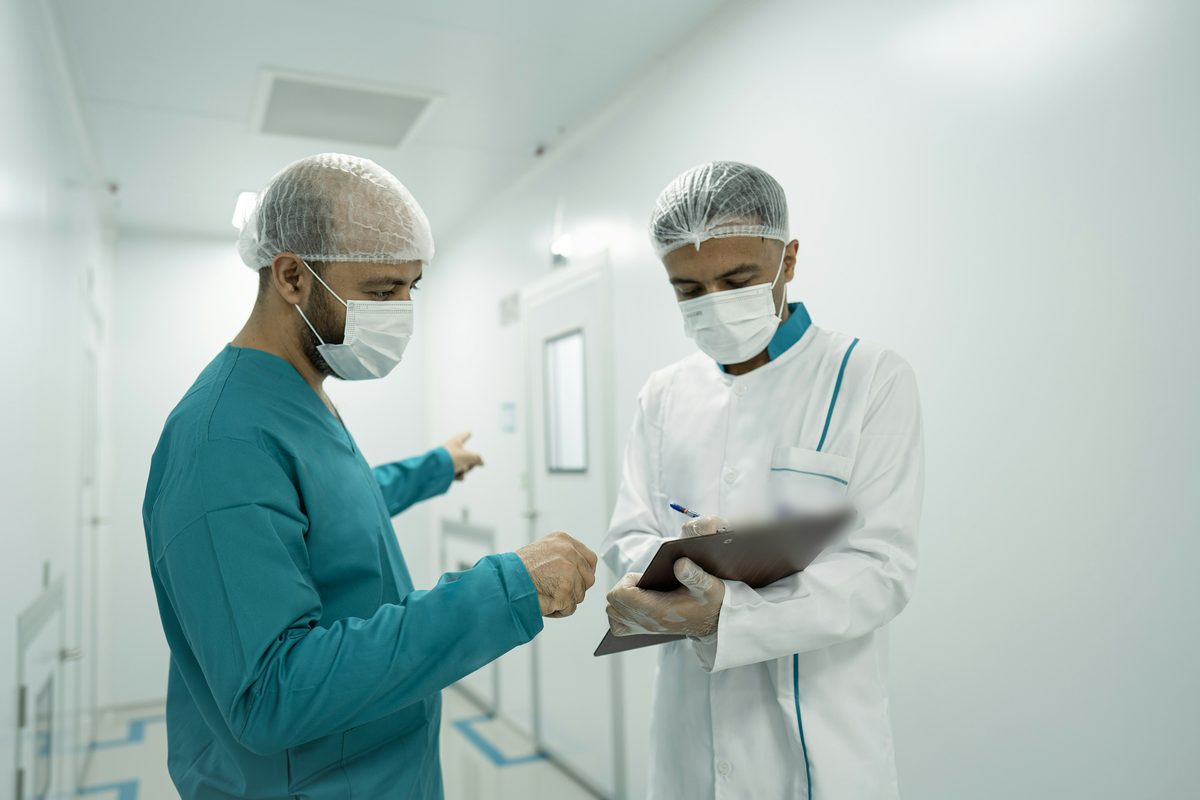
Why the weeks after an injury or operation are studied
An operation or an injury happens in one moment. The healing that follows can take months, and it rarely goes the same way for two people. This guide explains why researchers treat that stretch of time as a subject in its own right.
Read the guide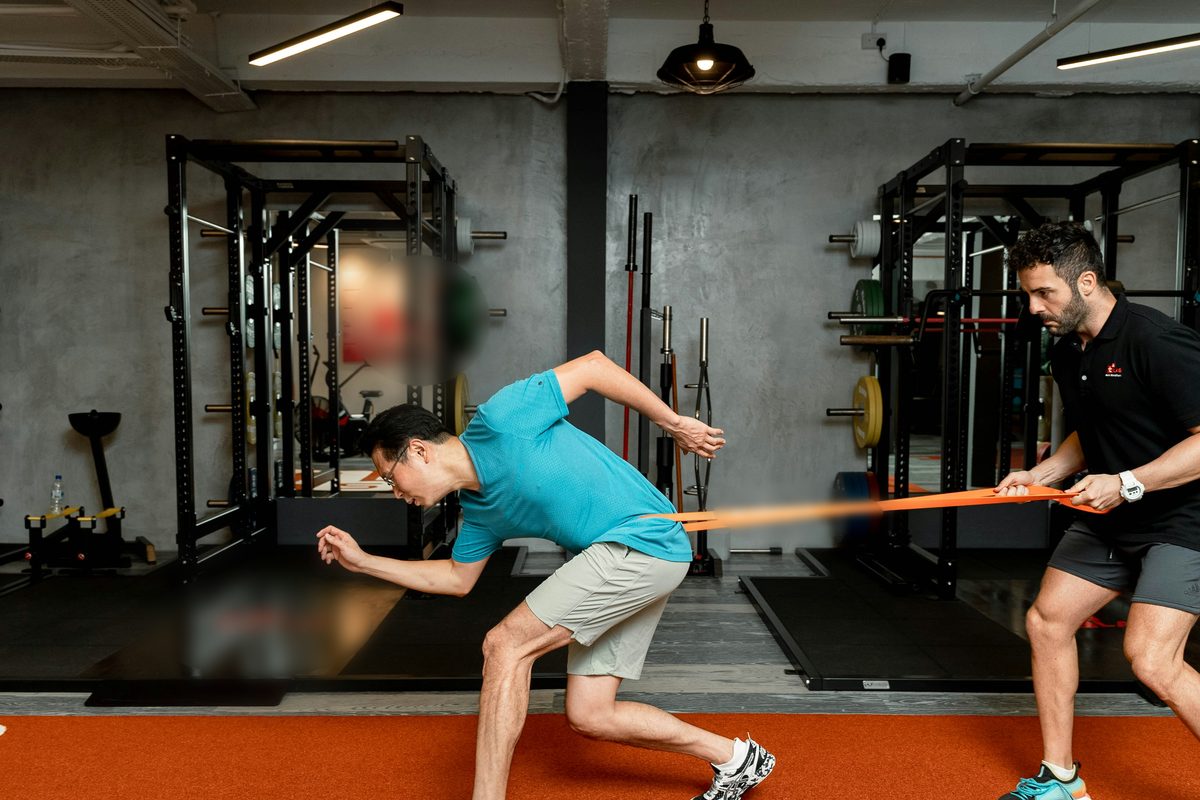
Studies where the rehab program is what is being tested
In many recovery studies, nothing comes in a bottle. The thing being tested is a set of exercises, a way of building them up or a pattern of physical therapy sessions. This guide explains how a rehab program becomes the subject of research.
Read the guide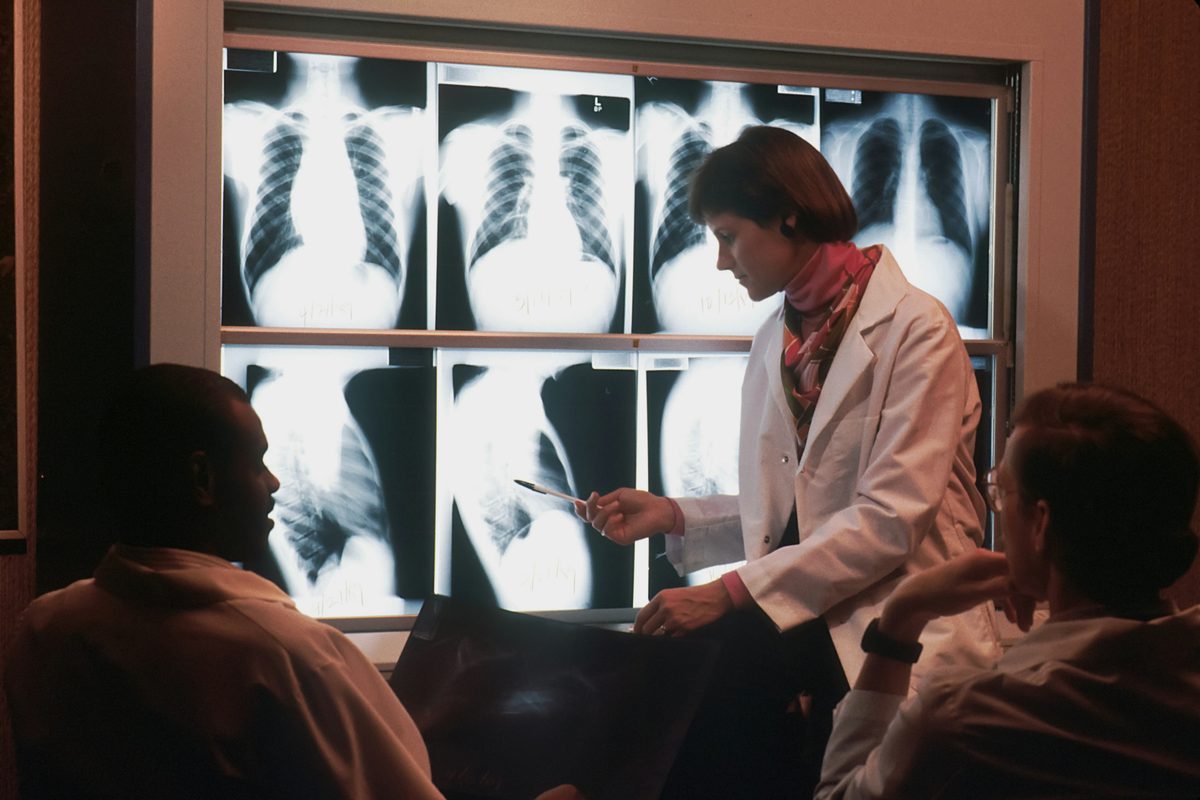
Why some recovery studies start before an operation
Some recovery studies speak to people before an operation, or within the first days after an injury. That timing is deliberate. This guide explains why the starting point matters and what it can mean for you.
Read the guide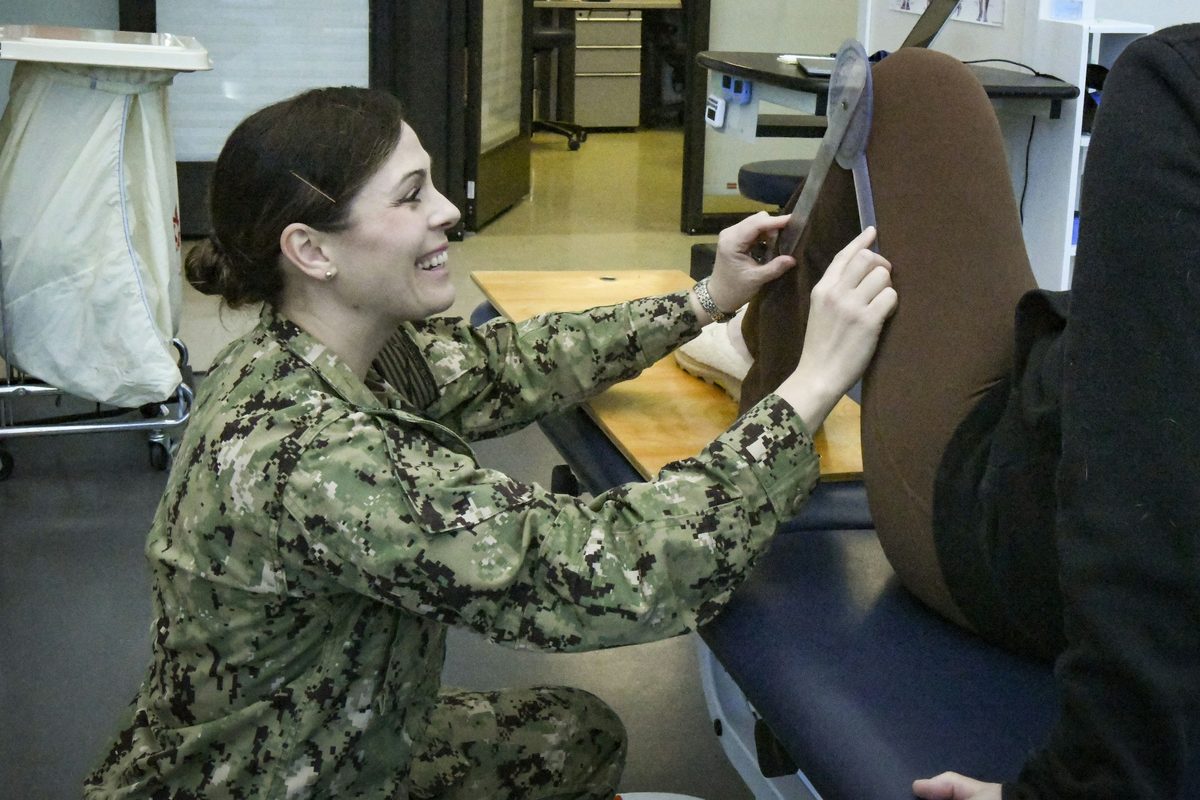
How recovery studies check movement and strength
Recovery often shows most clearly in what a person can do. Studies check how far a joint bends, how strong a muscle is, how steady a person stands and how everyday tasks are going. This guide explains those checks.
Read the guide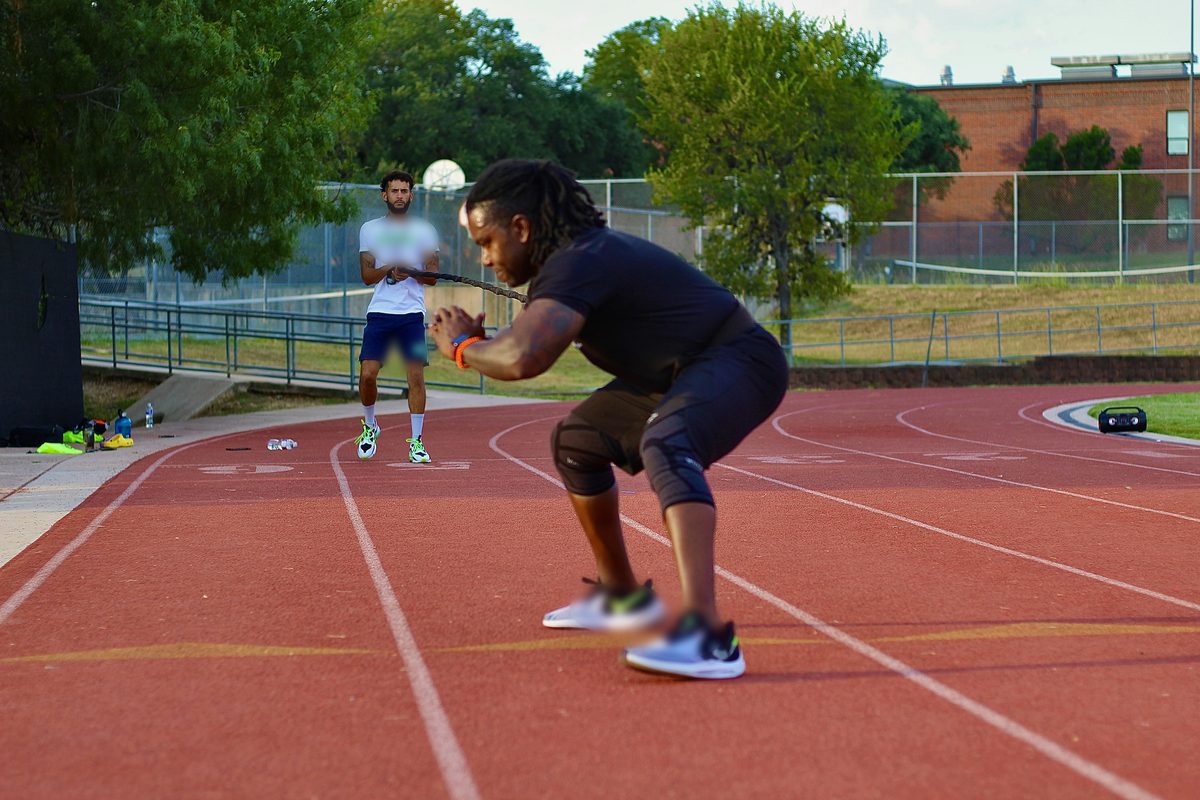
How studies ask about getting back to work and sport
For most people, recovery means getting back to something: a job, the car, a sport, the stairs at home. Studies ask about these goals with care. This guide explains how, and what to tell a study team about your own plans.
Read the guide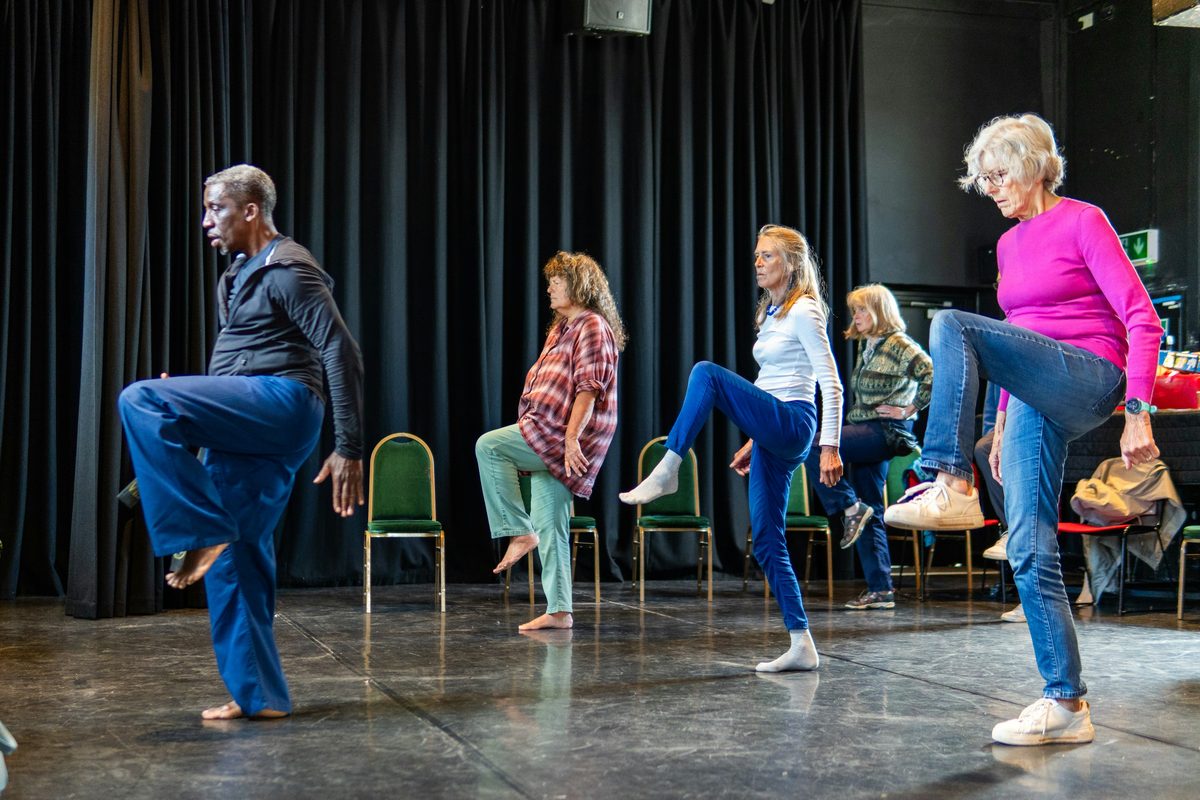
Research on keeping an injury from coming back
Healing once is only part of recovery. A repaired tendon can tear again, a second concussion can follow the first and a closed wound can reopen. This guide explains how research looks at preventing a second injury.
Read the guide